Mineral Water Plant Project Report: What Banks Actually Want to See
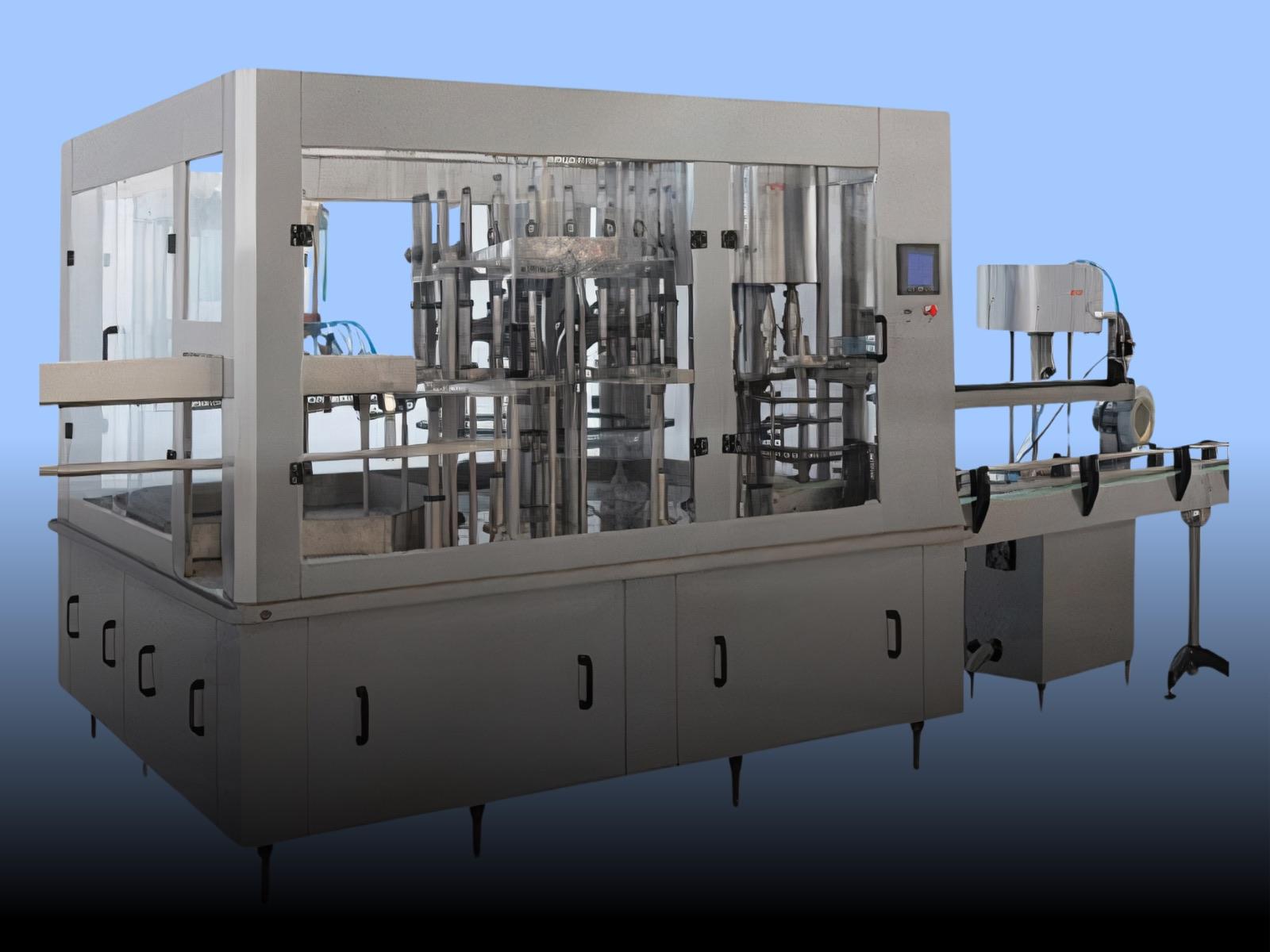
We are asked for a "project report" several times a week. Usually the person asking wants a PDF they can hand to a bank, and usually what they have been sent by someone else is a machinery quotation with a cover page.
That gets rejected. Not because the business is bad, but because a credit officer is reading for specific things and a quotation answers none of them.
Here is what is actually being assessed, and what to put in front of them.
What the bank is actually deciding
A credit officer is answering one question: will this business generate enough cash to service the loan, and what happens if it does not?
Everything in the report maps to that. Three numbers carry most of the weight:
| Metric | What it means | What lenders typically want |
|---|---|---|
| DSCR | Debt Service Coverage Ratio — cash available to pay EMI ÷ EMI | Average above 1.5×, never below 1.2× in any year |
| Promoter contribution | Your own money in the project | 20–30% of project cost, higher for first-time promoters |
| Break-even utilisation | What % of capacity you must run to cover costs | Comfortably under 60% |
If your report does not compute these three explicitly, the officer has to compute them, and files that create work get deprioritised.
The sections a report needs
1. Promoter profile
Background, relevant experience, existing businesses, net worth, CIBIL. First-time promoters are not disqualified, but you need to explain how the plant will be run competently. Naming your plant supplier and their scope helps here — it shows the technical gap is covered.
2. Project cost, itemised
Not a single figure. Split it:
| Head | Typical share |
|---|---|
| Land & site development | 15–25% (nil if leased) |
| Civil work & shed | 15–25% |
| Plant & machinery | 35–50% |
| Utilities (compressor, chiller, DG, transformer) | 8–12% |
| QC laboratory | 2–4% |
| Preliminary & pre-operative (licences, consultants) | 3–5% |
| Margin money for working capital | 8–12% |
That last line is where most first-time reports fail. More on it below.
3. Means of finance
Term loan, promoter equity, unsecured loans from family, any subsidy. Must total exactly the project cost. Show the debt-equity ratio explicitly.
4. Technical section
This is where the machinery quotation belongs — but framed as capability, not as a price list. Include the treatment train against your borewell water analysis, the BPM tier and why, plant layout drawing, power and water requirement, and manpower plan.
A named supplier with an itemised scope and a layout drawing reads very differently from a one-page quotation. If your supplier will not issue those, that is information about the supplier.
5. Market & marketing
District-level demand, distribution plan, channel mix (retail, HORECA, 20L HOD, institutional), competitors and your positioning. Be specific about geography. "Pan-India distribution" from a 30 BPM plant is not credible and readers notice.
6. Financial projections, 5 to 7 years
Projected P&L, balance sheet, cash flow, plus a DSCR table and break-even analysis. Build it from your actual assumptions:
- Capacity utilisation ramping realistically — 55–65% in year one, not 90%
- Realisation per bottle by SKU, net of trade margin
- Raw material: preform, cap, label, shrink film, carton
- Power at your actual state industrial tariff
- Manpower per the plan in the technical section
- Repairs, insurance, selling and distribution, interest, depreciation
7. Licences & approvals
BIS IS 14543, FSSAI, pollution board consent, groundwater NOC, factory licence, GST. Status of each, with expected timelines. "Applied" with a date beats "will apply".
8. Annexures
Machinery quotation, layout drawing, water test report, land documents or lease deed, quotations for civil work, promoter KYC and financials.
The six mistakes that get files rejected
1. Year-one utilisation at 85–90%. No new plant achieves that. A trained crew reaching 60% in year one is doing well. Optimistic utilisation inflates every downstream number and an experienced officer discounts the whole report because of it.
2. No working capital. This is the single most common failure. The plant is financed, production starts, and then there is no money for preforms, caps, labels and a month of credit to distributors. Working capital for a 60 BPM plant typically runs ₹18–30 lakh depending on your credit terms. Ask for it in the same application.
3. Machinery quotation instead of a technical section. A quotation shows what you are buying. The bank needs to know the plant will produce a saleable, licensable product from your water.
4. No water test report. Feedwater determines the treatment train, the recovery, the running cost and therefore the projections. A report without a water analysis has projections built on nothing, and any officer who has funded a water plant before knows it.
5. Licence timeline treated as an afterthought. BIS certification is usually the critical path, not the machinery. If the report shows revenue starting in month four but the BIS licence realistically lands in month seven, the cash flow is wrong by a quarter.
6. Missing sensitivity analysis. Show what happens if realisation drops 10%, if utilisation is 10 points lower, if power costs rise 15%. A report that survives its own stress test is far more persuasive than one that only works at plan.
Schemes worth asking your CA about
Several central and state programmes touch this sector — MSME credit guarantee cover, food-processing schemes, and state industrial incentives that vary considerably by location and can include capital subsidy, power tariff relief or stamp duty exemption. Uttarakhand, Himachal and the North East have historically been more generous than the plains states.
These change often. Your CA or a local consultant will know what currently applies where you are building. We can supply the technical documentation each scheme asks for, but we do not advise on eligibility.
What we provide
For turnkey customers we issue, at no extra cost:
- Itemised machinery quotation, block by block
- Plant layout drawing against your actual plot
- Utility schedule — power, water, air, steam
- BIS / FSSAI documentation checklist with timelines
- Technical specification in the format project reports need
We are not your CA and do not prepare the financial projections — that should come from someone accountable to you for the numbers. But the technical half of the report we hand over ready to use.