How to Start a Juice Business in India, Mango, Apple, RTS & Aseptic
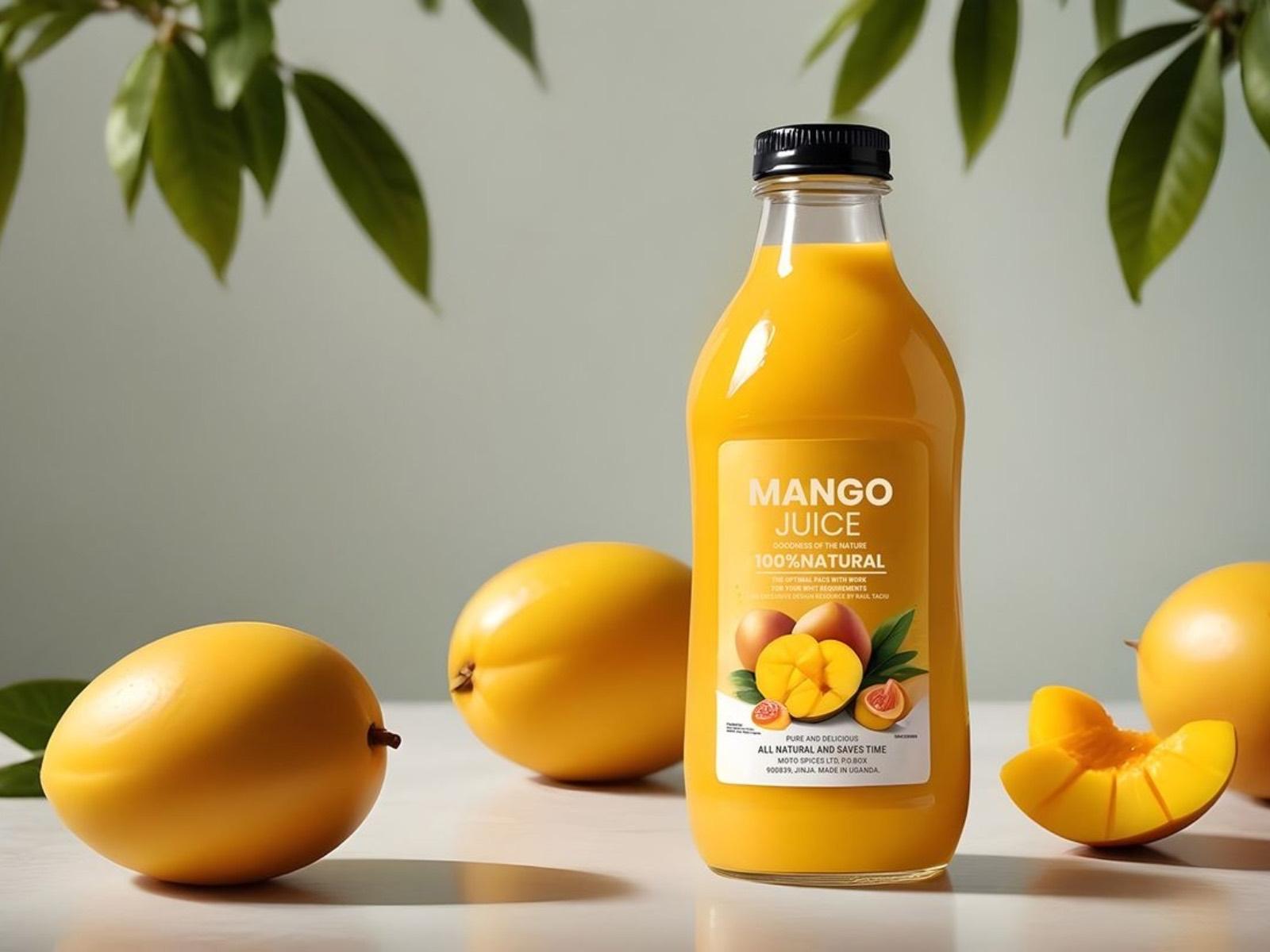
India's juice market, bigger and more fragmented than most realise
India's packaged juice market crossed ₹14,500 Cr in 2024. Mango leads category share at ~40%, followed by mixed-fruit RTS, apple, orange, and emerging single-fruit premium SKUs. Growth: 12-14% CAGR, driven by health-positioning, school-pack penetration and FPO-led regional brands.
If you're considering entering, here is the practical playbook.
Step 1: Pick the right juice category
Three structural choices, each with very different operating models:
| Category | Capex tier | Margin/bottle | Operating complexity |
|---|---|---|---|
| RTS / Nectar (mass-market) | ₹1.4–2 Cr | ₹4–7 | Medium |
| 100% juice (premium) | ₹1.8–3 Cr | ₹8–15 | High |
| Single-fruit cold-pressed | ₹2.5–4 Cr | ₹15–25 | Very high |
| Aseptic export | ₹3.5–6 Cr | ₹6–12 | Very high |
Most successful first-time juice brands start with RTS / Nectar in mango, proven demand, manageable complexity, and Indian fruit-belt sourcing advantage.
Step 2: Fruit sourcing strategy
Three sourcing models work in India:
- FPO partnership, direct from Farmer Producer Organisations in fruit belts. Lowest cost, requires relationship investment. Best for FPO-anchor entrepreneurs.
- Aseptic pulp purchase, from established pulp processors (Maharashtra mango, HP apple, AP citrus). Higher cost than direct FPO but no field-level operations.
- Concentrate import, for citrus, apple. Cheapest per-litre but reduces "Indian-fruit" claim.
Most starting brands begin with model 2 (aseptic pulp) and transition to model 1 (direct FPO) by year 2-3 as volume justifies field investment.
Step 3: Choose hot-fill or aseptic
The single biggest plant-design decision. See our full hot-fill vs aseptic comparison.
Hot-fill (88°C bottle entry):
- Capex 35-45% lower
- Shelf life 6-9 months
- Right for: 80% of new Indian juice brands
Aseptic (Class-100 sterile fill):
- Capex 45-65% higher
- Shelf life 12+ months without preservatives
- Right for: export contracts, premium preservative-free positioning
Step 4: Bottle format strategy
Indian juice market formats:
- 200ml PET, schools, on-the-go, ~₹15-25 MRP
- 300ml glass, premium HORECA
- 500ml PET, family pack
- 1L PET, value family pack
- Tetra Pak, premium / aseptic
- 3L bag-in-box, institutional / HORECA
Most starting brands launch with 200ml + 1L PET. Add Tetra Pak only when volume justifies the carton-fill machine investment.
Step 5: Plant capacity planning
Standard juice plant capacities and use cases:
- 60 BPM, regional / single-state RTS brand
- 120 BPM, multi-state RTS
- 240 BPM, national / co-packer
- Mango pulp 5 MT/hr, FPO anchor unit (separate from bottling)
Step 6: Compliance & licensing
- FSSAI Central License, mandatory for any juice plant > 2 MT/day
- BIS, only required if labelled "Mineral Water"; juice has its own FSSAI standards
- Organic certification, required for organic-positioned brands (NPOP, USDA NOP for export)
- HACCP, required for HORECA & institutional contracts
- FSSC 22000, required for most export markets
- NABARD documentation, for FPO-led / cooperative-sourced operations
Budget ₹4-7 Lakhs for the full compliance stack.
Step 7: Distribution & channel mix
Successful Indian juice brands typically follow this 24-month rollout:
- Months 1-6: regional GT + select MT
- Months 7-12: state-wide GT + national MT (top-tier metros)
- Months 13-24: full national MT + e-commerce + institutional (schools, airlines)
Distribution mistake most brands make: chasing modern trade too early. MT margins are tight, payment cycles are long (60-90 days), and shelf-velocity is unforgiving for new brands without marketing budget.
Step 8: ROI math (60 BPM hot-fill RTS)
Capex:
- Hot-fill juice plant (60 BPM): ₹1.4 Cr
- Civil + utilities: ₹35 L
- Lab + cold storage: ₹15 L
- Working capital (3 months): ₹25 L
- Licenses + brand: ₹5 L
- Total: ₹2.20 Cr
Year-1 throughput at 55% average utilisation:
- 3,600 BPH × 14 hours × 26 days × 0.55 = ~720,000 bottles/month
- Average margin: ₹5 per 500ml bottle
- Monthly contribution: ₹36 L
- Operating cost: ₹16 L/month
- Net monthly profit: ₹20 L
Steady-state payback: 16-22 months.
Common mistakes new juice brands make
- Over-engineering for export from day one, aseptic + Class-100 capex without export contracts is a stranded asset.
- Under-investing in QC lab, juice has 4-5x more QC parameters than water; FSSAI audits are unforgiving.
- Single-flavour launch, multi-flavour helps shelf presence and per-truck economics.
- Skipping the cold chain, even hot-fill juice needs distribution-side cold-control in summer months.
- Ignoring the seasonality, fruit is seasonal; aseptic pulp inventory is the year-round juice plant's lifeline.
Bottom line
Indian juice plants are profitable when matched to the right operating model. RTS/nectar in PET hot-fill is the safest start; aseptic and 100% juice are higher-margin but need brand-build investment. The fruit belt is your competitive advantage, anchor your supply there.
Related reading
- Cost of a mineral water plant in India (2026), comparable cost framework
- Hot-fill vs aseptic juice bottling
- FPO juice plants industry page
- Project report for a bank loan: what lenders actually read
- Setting up a sugarcane juice plant in the UP cane belt
Request a juice plant quotation matched to your fruit, format, and target SKU mix.