How to Start a CSD / Soft Drink Business in India, Cola, Soda & Energy Drinks
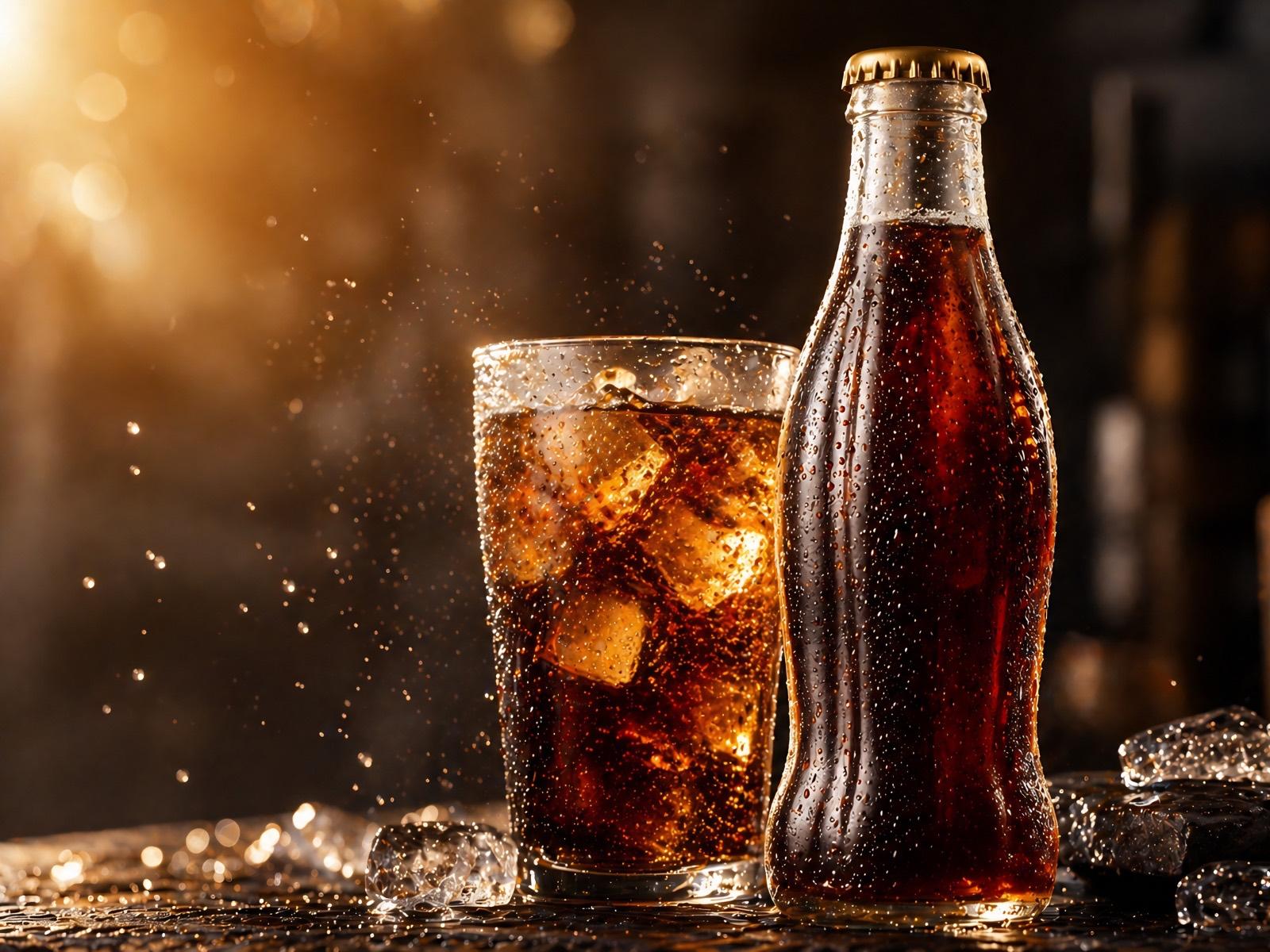
India's CSD market, slow-moving giant with sharp regional opportunities
The Indian CSD market crossed ₹54,000 Cr in 2024. National brands dominate the cola category, but regional brands thrive in lemon / mosambi / soda categories where regional taste preferences and price-sensitive distribution favour local players.
The opportunity for new brands sits in three places:
- Regional flavoured CSD, lemon, jeera, masala soda
- Premium mixers & tonic, for HORECA growth
- Energy drinks, fastest-growing CSD sub-category at 22% CAGR
Step 1: Pick your CSD sub-category
| Sub-category | Capex tier | Margin/bottle | Distribution complexity |
|---|---|---|---|
| Plain soda water | ₹1.4–2 Cr | ₹2–4 | Low |
| Lemon / mosambi soft drink | ₹1.6–2.4 Cr | ₹3–6 | Medium |
| Cola | ₹1.8–2.8 Cr | ₹2–4 | High (vs majors) |
| Energy drink | ₹1.8–3 Cr | ₹8–15 | Medium-high |
| Premium mixer / tonic | ₹1.5–2.2 Cr | ₹10–20 | Low (HORECA-led) |
| Jeera / masala soda | ₹1.5–2.2 Cr | ₹3–6 | Low (regional, high repeat) |
| Fruit-fizz (carbonated fruit beverage) | ₹1.8–2.6 Cr | ₹5–9 | Medium |
Most successful new entrants pick lemon/mosambi flavoured soft drinks for regional distribution or energy drinks / tonic for premium positioning.
These are indicative market ranges for the category, not our quotation. Every plant we build is priced against your capacity, water analysis, plot and SKU mix — see pricing for why we do not publish list prices.
The low-capex entry route most guides skip
Every table above starts above ₹1.4 Cr, which quietly excludes the operator who has the market but not the capital. That is not the only way in.
A semi-automatic soda line — compact carbonator, 4–8 head counter-pressure filler, manual changeover, roughly 20 BPM — runs at a fraction of that capex and is a genuinely profitable starting point for a district brand, particularly on returnable glass. Several of the regional soda brands you see in general trade across UP, Bihar and Rajasthan started exactly here.
The one specification you cannot economise on is counter-pressure filling. Machines that gravity-fill carbonated product lose CO₂ during the fill and produce flat drinks regardless of how well the product was carbonated upstream. If a supplier offers you a cheap "soda machine" without counter-pressure filling, that is the whole product failing, not a corner being cut.
The water house and syrup room from a semi-automatic line carry forward when you upgrade to 60 BPM, so this is a staged path rather than a dead end.
Step 2: Plant configuration choices
CSDs require isobaric (counter-pressure) filling, gravity filling will let CO₂ escape and ruin the product. Standard configurations:
- 90 BPM CSD plant, regional brand, ~5,400 BPH
- 120 BPM CSD plant, multi-state distribution
- 240 BPM CSD plant, national / co-packing
Plus you need a syrup room (sugar dissolving + premix + blending). This is the upstream of every CSD plant.
For premium / can SKUs, an aluminium can filling line is a dedicated investment (12,000-60,000 cans/hour).
Step 3: Sugar handling & syrup room design
Sugar handling is the most-overlooked capex item for new CSD entrants. Options:
- Hot dissolve, faster, lower cost, slightly affects flavour
- Cold dissolve, better flavour retention, premium-brand standard
A 60 BPM CSD plant typically needs ~5,000-7,000 kg sugar per shift. Sugar storage and dissolving capacity must match.
Step 4: CO₂ supply & recovery
CSDs consume 3-7 g of CO₂ per litre. A 120 BPM plant running 18 hours/day consumes ~700-1,200 kg CO₂/day.
Sourcing options:
- Liquid CO₂ tanker, most common, ₹15-25/kg delivered
- CO₂ recovery from ferment, only for breweries
- On-site PSA CO₂, premium option, 5-7 year payback
A CO₂ recovery system on the bottling line itself recovers 30-50% of fill-line losses. Worth the investment above 90 BPM.
Step 5: Compliance & licensing
- FSSAI Central License, mandatory
- BIS, for specific carbonated water claims (IS 2346 for soda)
- Excise / state liquor, if any beer/RTD cocktail involvement (otherwise N/A for non-alcoholic CSD)
- HACCP, for HORECA & institutional contracts
Step 6: Distribution math
CSD distribution is 80% about on-premise penetration, provision stores, pan shops, dhabas, restaurants, cafes. National brands have 15-20 year head-starts in this network.
Three approaches that work for new brands:
- Geographic deep-cluster, dominate 2-3 districts before expanding
- Channel-specific, only HORECA + modern trade (no GT until brand strength)
- Co-packing, bottle for established brands first, build own brand in parallel
Step 7: ROI math (90 BPM lemon CSD)
Capex:
- CSD plant 90 BPM: ₹1.6 Cr
- Syrup room: ₹25 L
- Civil + utilities: ₹40 L
- Lab + raw material storage: ₹15 L
- Working capital (3 months): ₹30 L
- Licenses + brand: ₹5 L
- Total: ₹2.75 Cr
Year-1 throughput at 50% average utilisation:
- 5,400 BPH × 14 hours × 26 days × 0.50 = ~980,000 bottles/month
- Average margin: ₹3.5 per 500ml bottle
- Monthly contribution: ₹34.3 L
- Operating cost (sugar, CO₂, utilities, labour): ₹19 L/month
- Net monthly profit: ₹15.3 L
Steady-state payback: 18-24 months.
CSD payback is longer than water because of distribution-build cost. Plan for it.
Why soft drinks go flat in the market
This is the most common reason a regional CSD brand loses repeat purchase, and it is almost never the filler's fault. Three causes, in order of frequency:
Dissolved oxygen. Oxygen left in the product competes with CO₂ for solubility and accelerates flavour staling. The drink both flattens and tastes stale faster than it should. The fix is vacuum deaeration ahead of carbonation — and it is retrofittable to an existing line, which makes it the cheapest quality upgrade available to most plants.
Product temperature at carbonation. CO₂ solubility falls sharply as temperature rises. Product entering the carbonator above 4°C simply will not hold its volumes, no matter what the set point says. Undersized chilling is the usual culprit, and it shows up worst in summer, which is exactly when your volumes peak.
Closure and seam. On PET, a cap torque that drifts low leaks CO₂ slowly enough that the plant's own QC never catches it — the product tests fine on day one and is flat in the trade four weeks later. On cans and PET bottle-cans, the same failure lives in the seam. Both need periodic teardown checks, not just a visual inspection.
If your drinks test correctly at the plant and come back flat from the market, start with deaeration and chilling before you look at the filler.
Pack format: returnable glass, PET or can
| Format | Pack cost | Best channel | Watch out for |
|---|---|---|---|
| Returnable glass | Lowest per fill | General trade, regional | Crate logistics, breakage, washer capacity |
| PET | Medium | Modern trade, travel, e-commerce | Higher CO₂ permeability, cap torque control |
| Aluminium can | Highest | Premium, modern trade, HORECA | Seamer setup, can supply dependency |
| PET bottle-can | Medium-high | Premium, resealable positioning | Seam tolerances differ from aluminium |
Returnable glass still dominates Indian general trade for a simple reason: the pack cost per fill is a fraction of anything else, and the crate network already exists in most districts. It is operationally heavier — you are running a washer, managing breakage and financing a float of bottles and crates — but the unit economics are hard to argue with at regional scale.
Most successful regional brands start on returnable glass, add PET when they enter modern trade, and only consider cans once volume justifies a seamer.
Common CSD mistakes
- Direct competition with national colas, almost always loses. Pick a category where nationals are weak.
- Under-investing in distribution, CSD is 70% distribution, 20% product, 10% brand.
- Cheap CO₂ source, quality varies; food-grade is non-negotiable.
- Skipping CO₂ recovery, wastes 30-40% of CO₂ inventory.
- Single-bottle-format launch, at minimum offer 200ml + 500ml at launch.
Bottom line
CSDs are higher-margin than water but harder to distribute. The plant is the easy part; building the on-premise network is what separates winners from stalled brands. Pick a regional flavour or premium niche, anchor distribution, then expand.
Related reading
- PET vs aluminium can for CSD bottling
- CSD vs juice vs water plant comparison
- Industries: FMCG co-packers & private-label
- Jeera / masala soda bottling plant
- Semi-automatic small-scale soda plant
- Carbonator / CO₂ mixing unit
- Project report for a bank loan
Request a CSD plant quotation matched to your category and capacity.